

“Understanding why people suffer, how they change, and how to help them live more satisfying and gratifying lives is a fascinating, huge, and important undertaking.”
For many youngsters, school and life in general presents an endless list of demands and challenges.
From trauma and learning disabilities to bullying and course selection, life can be difficult for students. A school counsellor is there to help.
“Helping one person might not change the whole world, but it could change the world for one person.”
The basic role of a school counsellor is to support students in their psychological, academic, and social development.
However, the breadth of school counselling is expansive. One minute, the school counsellor may provide a social-emotional lesson to a first-grade class, and the next, they collaborate with the administrative team on a new school-wide behavioural intervention system.
What is School Counselling?
School counselling addresses issues that may affect students’ academic performance, which includes psychosocial and behavioural challenges. School counselling services are delivered by the school counsellor.
School counselling is an important support service provided in schools to promote the overall academic, personal, social, emotional, and behavioural development of students. It helps students understand themselves better, recognise their strengths and abilities, manage everyday challenges, and make positive and responsible choices. School counselling addresses concerns that may affect a student’s learning and well-being, such as academic difficulties, stress, peer relationships, communication problems, adjustment issues, behavioural concerns, lack of confidence, and challenges in managing emotions. Through individual or group counselling, students are provided with a safe, supportive, and non-judgemental environment where they can express their thoughts and concerns and learn appropriate ways to deal with them.
School counsellors also work in collaboration with teachers and parents to understand students’ needs and provide suitable guidance and support. They may help students develop effective study habits, time-management skills, decision-making abilities, problem-solving skills, self-awareness, confidence, empathy, and positive interpersonal relationships. School counselling also contributes to creating an inclusive, caring, and supportive school environment where every student feels valued, respected, heard, and encouraged to reach their potential. The ultimate aim of school counselling is to empower students with the knowledge, skills, and support they need to navigate school life successfully and develop into confident, responsible, and well-rounded individuals.
Listening is often the only thing needed to help someone.
A school counsellor’s role addresses students’ mental, emotional, social and academic development. Counsellors help students identify their abilities, capacities, and interests, preventing dropout.
The counsellor may also act as a coordinator who advises students about their career orientation and decisions. In doing so, counsellors may help students prepare for higher education and college admissions.
Goals of a School Counselling Program
Promote a Fulfilling and Meaningful Life
School counsellors support students in dealing with difficulties that may affect their learning, relationships, confidence, and overall well-being. They help students recognise their strengths, develop positive coping skills, and overcome barriers to their growth. For example, in collaboration with teachers and parents, a counsellor may suggest suitable strategies and interventions to support a student with learning difficulties or other educational needs.
Assist Students in Facing Challenges
Students may experience a wide range of academic, personal, social, and behavioural challenges during their school years. Counselling helps students understand these challenges and explore appropriate ways to deal with them. When conflicts or misunderstandings arise between students and teachers or peers, the counsellor may provide guidance, facilitate communication, and help those involved work towards a constructive solution.
Support Adjustment and Adaptation
School counselling helps students develop self-awareness, emotional balance, social skills, and positive adjustment. Counsellors support students as they adapt to changes in their academic environment, friendships, family circumstances, and other age-appropriate life situations. The aim is to help students feel comfortable, confident, and connected within the school community.
Promote a Positive School Life
A counselling programme contributes to a safe, welcoming, respectful, and supportive school environment. It encourages students to develop positive attitudes towards learning, relationships, and school activities. Counsellors can promote empathy, cooperation, respect, communication, and responsible behaviour, helping students build a stronger sense of belonging and participation in school life.
Promote Mental Health and Social-Emotional Learning
School counselling supports students in developing healthy social and emotional skills, including self-awareness, self-management, empathy, responsible decision-making, and relationship skills. These areas may be addressed through classroom activities, awareness programmes, group sessions, or individual counselling, depending on the student’s needs. Counsellors also help students recognise when they need additional support and guide them towards appropriate resources when necessary.
Develop Self-Confidence and Self-Awareness
Counselling encourages students to understand their emotions, abilities, interests, strengths, and areas for improvement. It helps them develop confidence, a positive sense of self, and the ability to set realistic goals.
Improve Decision-Making and Problem-Solving Skills
Students are guided to think about different choices, understand possible consequences, and make responsible decisions. Counselling helps them develop practical problem-solving skills that can be useful in both academic and everyday situations.
Strengthen Collaboration Between School and Home
School counsellors work with students, teachers, parents, and other school professionals to better understand students’ needs. Effective collaboration helps create consistent and appropriate support for students and promotes their overall development.
Encourage Academic and Career Development
Counselling can help students identify their interests, abilities, learning needs, and future aspirations. Students can be guided in developing study skills, setting academic goals, exploring career options, and making informed educational choices.
Create an Inclusive and Supportive Environment
A key goal of school counselling is to ensure that every student feels valued, respected, heard, and supported. Counselling programmes promote inclusion, empathy, acceptance, and equal opportunities for students to participate and grow.
“The goal of school counselling is to help every student learn, grow, connect, and reach their potential.”
OUR COUNSELLOR
Masters in Counselling Psychology
Ms. Charu, is a focused and trained professional who provides a range of services to address the diverse needs of the students including academic support, personal and social development, emotional support and crisis intervention.
The counsellor goes far beyond her daily tasks contributing significantly to the school’s overall success by:
Enhancing student well-being, mental health, and self-esteem.
Improving student’s attendance.
Providing essential guidance for post-secondary education and career planning.
Creating a positive school climate that fosters a sense of belonging and inclusion.
SPECIAL EDUCATION
“If they can’t learn the way we teach, we teach the way they learn.”
Special education is a practice of educating students in a way that accommodates their individual differences, disabilities, and special needs. This involves the individually planned and systematically monitored arrangement of teaching procedure, adapted equipment and materials; and accessible settings. These interventions are designed to help individuals with special needs higher level of personal self-sufficiency and success in school and in their community, which may not be available if the student were only given access to a typical classroom education.
Role of a Special Educator
A Special Educator plays an important role in creating an inclusive, supportive, and accessible learning environment for students with diverse learning needs. The primary responsibility of a special educator is to understand each student’s individual strengths, abilities, learning needs, and areas requiring support, rather than focusing only on their difficulties or disabilities.
They assess students’ educational needs through appropriate observations, assessments, and interaction with students, teachers, and parents, and use this information to plan suitable learning strategies and interventions. A special educator may adapt teaching methods, classroom activities, instructional materials, assignments, and assessment techniques so that students can participate more effectively in the learning process.
They provide individual or small-group support to strengthen academic skills, communication, attention, social interaction, independence, and other areas relevant to the student’s educational development. Special educators also work closely with general education teachers by suggesting differentiated teaching strategies, classroom accommodations, and appropriate resources to support students within the mainstream classroom.
They maintain communication with parents and guardians, discuss students’ progress, share practical strategies for supporting learning at home, and encourage active cooperation between home and school.
In addition, they monitor students’ progress, maintain appropriate records, review interventions, and modify strategies when required. A special educator also promotes social-emotional well-being, confidence, participation, and independence by encouraging students to recognise their own strengths and abilities. They advocate for equal opportunities and help remove barriers that may prevent students from participating fully in school activities. Through collaboration with teachers, counsellors, parents, school leadership, and other professionals, the special educator contributes to a welcoming and inclusive school community where every student is respected, supported, and given opportunities to learn and succeed according to their individual potential.
OUR SPECIAL EDUCATOR
As a Special educator, Ms. Kriti, uses effective teaching techniques so that the learning experience of students can be improved.
The primary focus is to recognize their special abilities and talent rather than the disability.
DUTIES OF A SPECIAL EDUCATOR
Identifying and Understanding Individual Learning Needs
A special educator observes and assesses students to understand their individual learning needs, strengths, abilities, and areas requiring support. They identify barriers that may affect a student’s participation or progress and plan appropriate educational strategies. The focus is on recognising each student’s potential and providing support according to their individual requirements.
Providing Individualised Educational Support
A special educator provides individual or small-group instruction using suitable teaching methods, activities, resources, and learning materials. They may modify worksheets, assignments, classroom activities, and assessment methods to make learning more accessible. They continuously monitor students’ progress and adapt their teaching strategies according to the student’s response and development.
Collaborating with Teachers and Parents
Special educators work closely with general education teachers, parents, and other members of the school support team. They share observations, suggest appropriate classroom strategies, and guide teachers in providing suitable accommodations and differentiated learning opportunities. They also communicate regularly with parents about the student’s progress and suggest ways to reinforce learning and independence at home.
Developing Academic, Social, and Life Skills
Along with academic development, special educators help students develop important communication, social, emotional, behavioural, and functional skills. They encourage students to build confidence, improve interaction with others, develop independence, solve problems, and participate actively in school activities. Their support helps students become more confident and independent learners.
A special educator plays a vital role in creating an inclusive and supportive school environment where every student feels respected, valued, and accepted. They help remove learning barriers and encourage students with diverse needs to participate meaningfully in classroom and co-curricular activities. They advocate for equal learning opportunities and work with the school community to ensure that every child receives appropriate support to reach their potential.
“Every learner is unique; the role of a special educator is to discover their strengths, remove barriers, and help them shine.”
REAL-LIFE PROBLEM-SOLVING ACTIVITY
“Every challenge is an opportunity to think, learn, and grow.”
DATE: 05.09.2026
An interactive Real-Life Problem-Solving Activity was organized with the aim of developing critical thinking, decision-making, communication, and problem-solving skills among students.
During the activity, students were given simple real-life situations and everyday problems and were asked to think about how they would handle or solve those situations. They were encouraged to understand the problem, consider possible solutions, and explain the steps they would take to deal with it effectively.
The activity helped students improve their logical thinking, confidence, presence of mind, communication skills, and ability to make appropriate decisions. It also encouraged them to think independently and understand that different situations may require different solutions.
Students actively participated in the discussion and shared their ideas with enthusiasm. Listening to different responses also helped them understand various perspectives and learn from one another.
Overall, the Real-Life Problem Solving Activity was a meaningful and engaging experience that promoted independent thinking, confidence, responsible decision-making, and practical life skills among students.
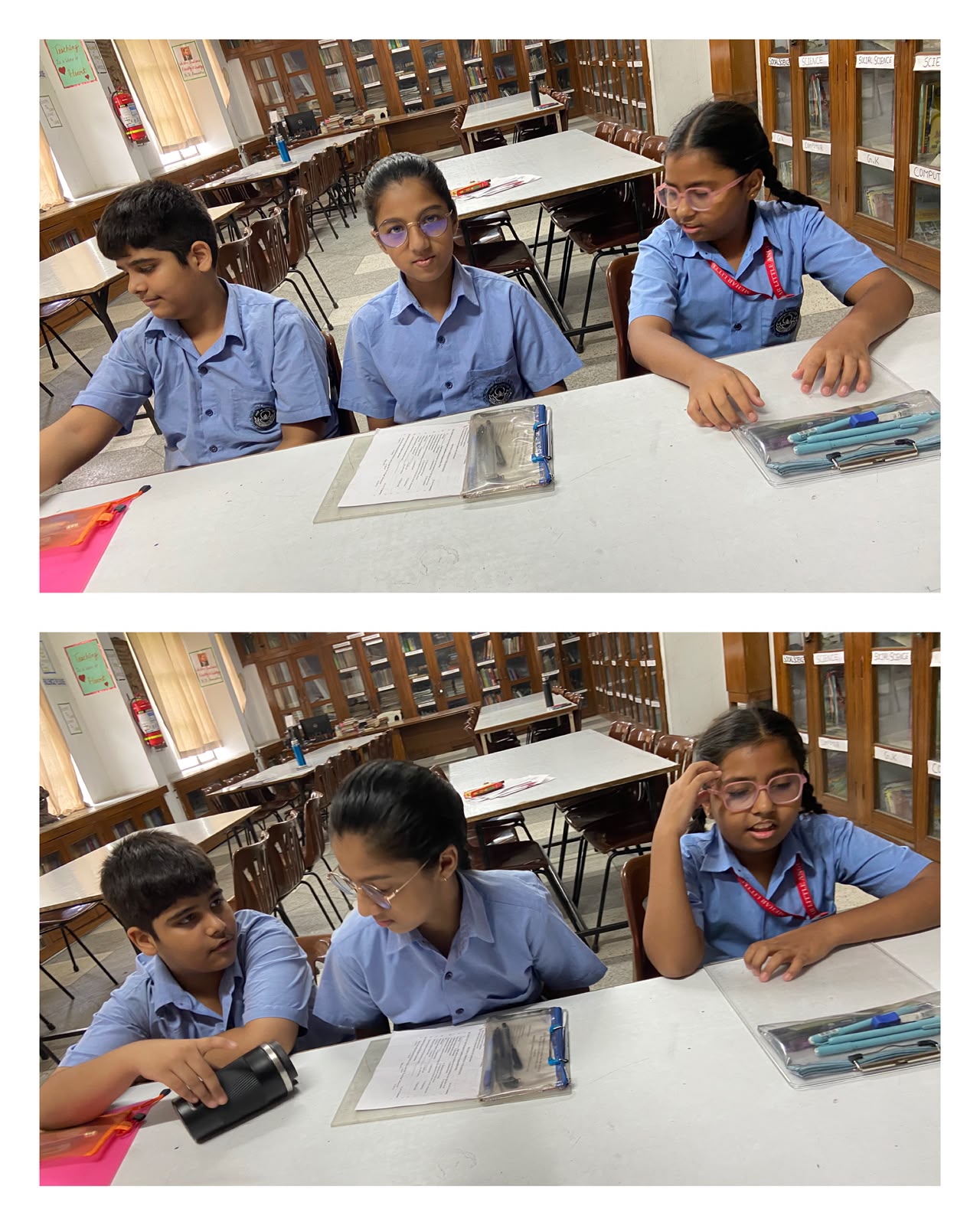
STORY TIME ACTIVITY
“Every story opens a door to imagination, learning, and new possibilities.”
DATE: 02.09.2026
An engaging Story Time Activity was organized on 2 September 2026 with the aim of developing listening skills, imagination, language abilities, concentration, and creativity among students.
During the activity, students listened attentively to interesting and age-appropriate stories presented in an interactive manner. They were encouraged to observe, imagine, respond to simple questions, and share their thoughts about the characters and events in the story.
The activity helped strengthen students’ vocabulary, comprehension, attention span, memory, communication skills, and ability to express ideas. It also encouraged them to understand simple values and messages conveyed through the stories.
Students participated with enthusiasm and curiosity, making the session lively and enjoyable. The interactive storytelling experience provided them with an opportunity to learn in a relaxed and engaging environment.
Overall, the Story Time Activity was a joyful and enriching experience that promoted imagination, language development, confidence, listening skills, and a love for stories and learning among students.
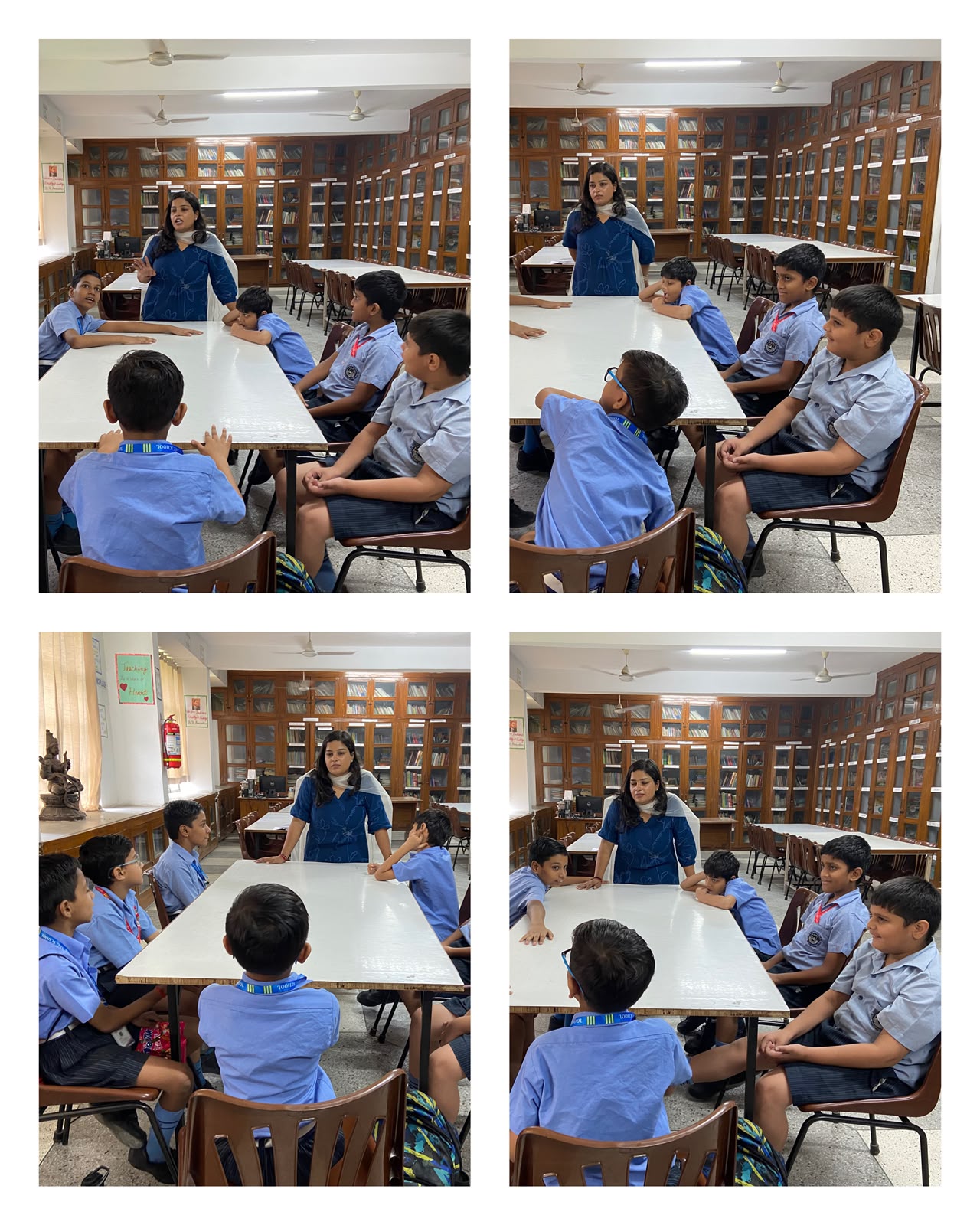
SPEAK UP - RANDOM TOPICS ACTIVITY
“Confidence grows when students are given the courage to think, express, and speak.”
DATE: 29.08.2026
An engaging “Speak Up – Random Topics” activity was organized with the aim of developing confidence, spontaneous thinking, communication skills, and verbal expression among students.
During the activity, students were given simple and familiar topics at random. Each student was provided five minutes to think and organize their ideas before speaking on the given topic. They were then encouraged to express their thoughts in approximately 5-6 sentences in front of others.
The activity helped students improve their thinking ability, sentence formation, vocabulary, clarity of speech, and confidence in public speaking. The use of basic and relatable topics ensured that students could participate comfortably and focus on expressing their ideas independently.
Students participated with enthusiasm and made sincere efforts to organize their thoughts within the given time. The activity also helped reduce hesitation and encouraged them to speak more confidently in front of a group.
Overall, the “Speak Up – Random Topics” activity was an enjoyable and meaningful learning experience that promoted confidence, communication, quick thinking, self-expression, and independent speaking skills among students.
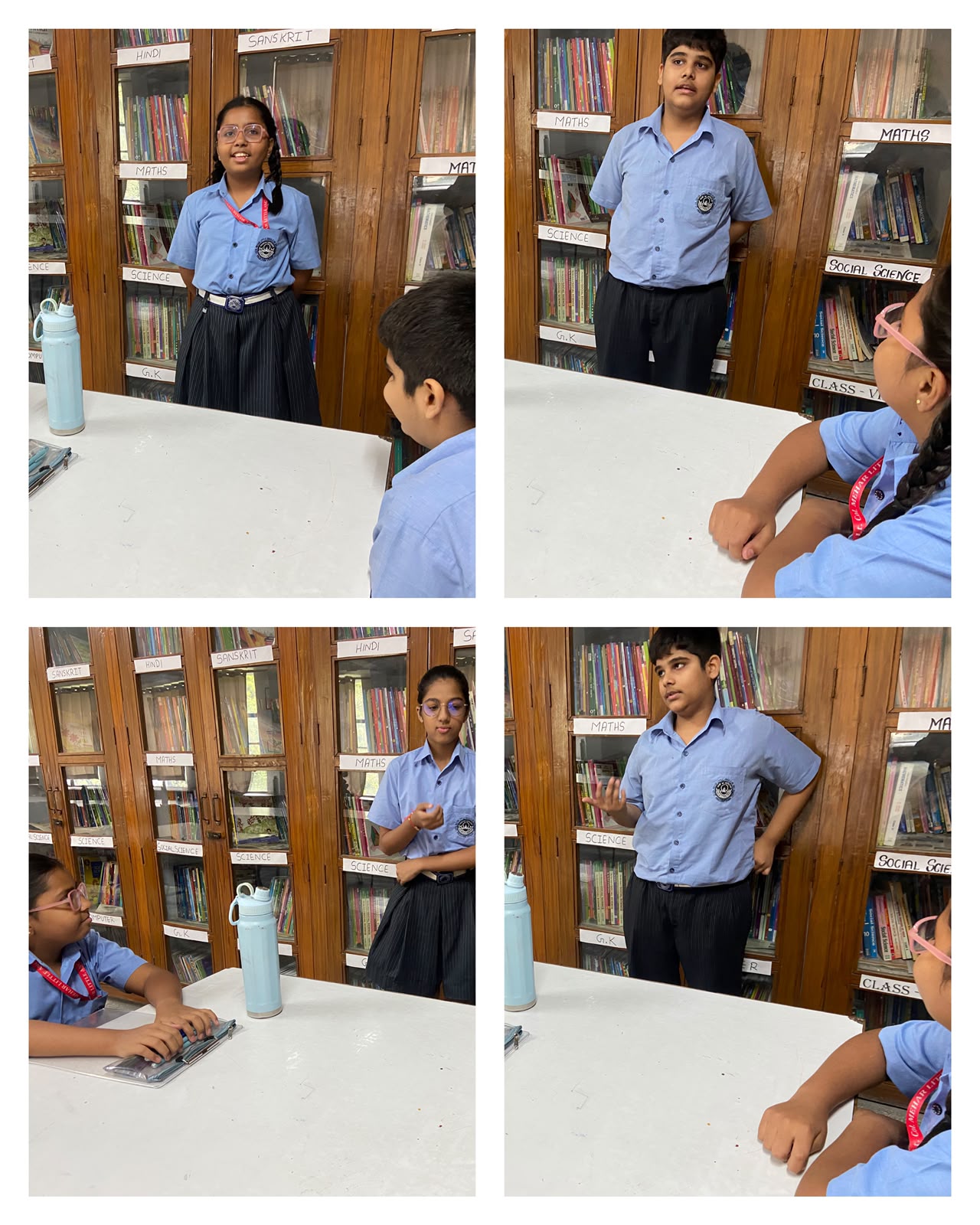
ROLE PLAY ACTIVITY
“Learning becomes more meaningful when students experience, express, and participate.”
DATE: 22.08.2026
An engaging Role Play Activity was organized on 22 August 2026 with the aim of developing communication skills, confidence, creativity, social interaction, and self-expression among students.
During the activity, students enthusiastically enacted different situations and characters through simple role-play scenarios. They were encouraged to express their ideas, emotions, and thoughts using appropriate gestures, expressions, and dialogues.
The activity helped students improve their speaking skills, listening abilities, imagination, decision-making, teamwork, and understanding of everyday social situations. It also provided them with an enjoyable platform to participate actively and overcome hesitation while interacting with others.
Students participated with great enthusiasm and confidence, making the learning environment lively and interactive. The activity encouraged them to understand different perspectives while learning through experience and participation.
Overall, the Role Play Activity was an enjoyable and enriching experience that promoted confidence, creativity, communication, cooperation, and social-emotional development among students.
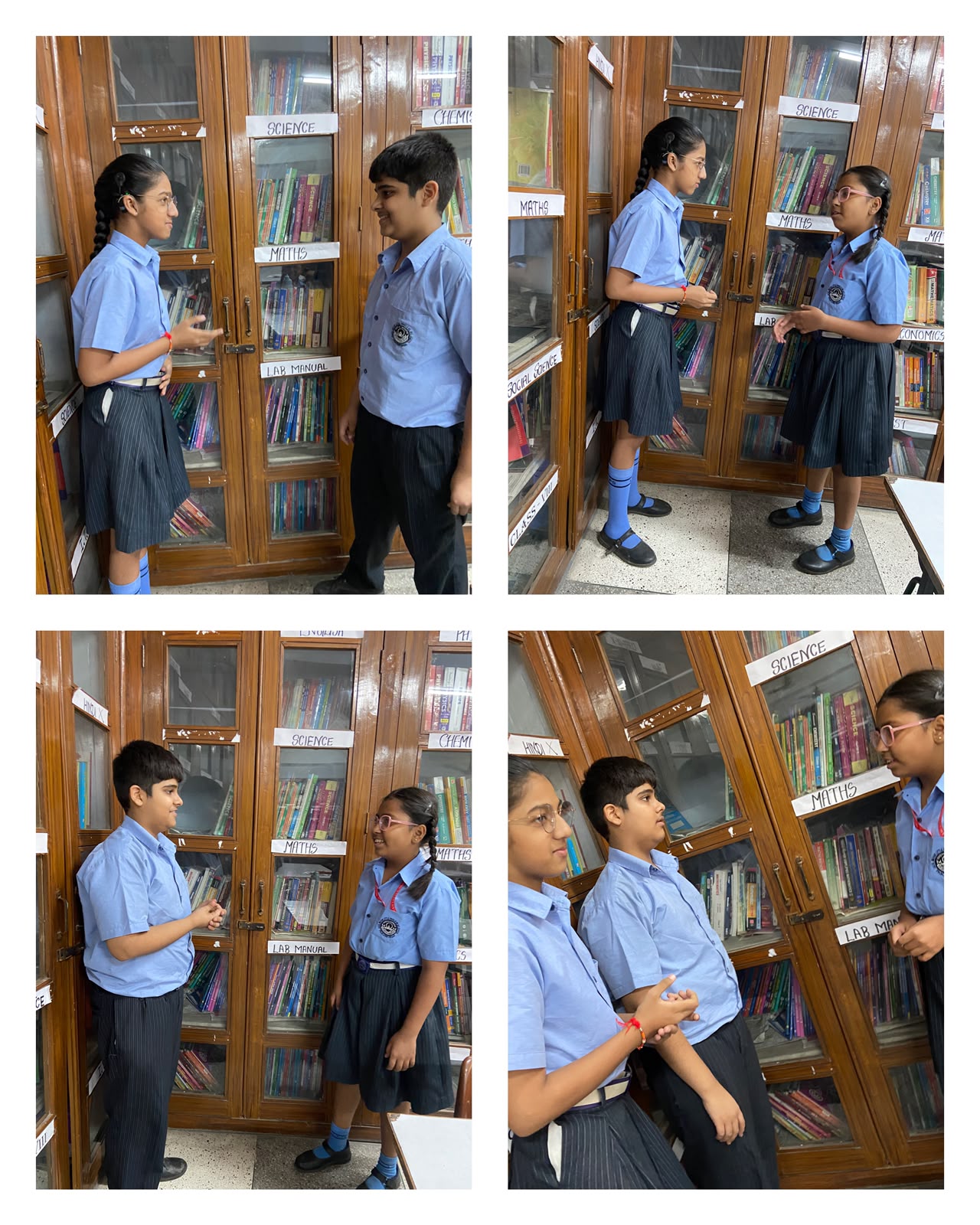
HAVE QUIET TIME
“A few moments of quiet can help young minds feel calm, focused, and refreshed.”
DATE: 19.08.2026
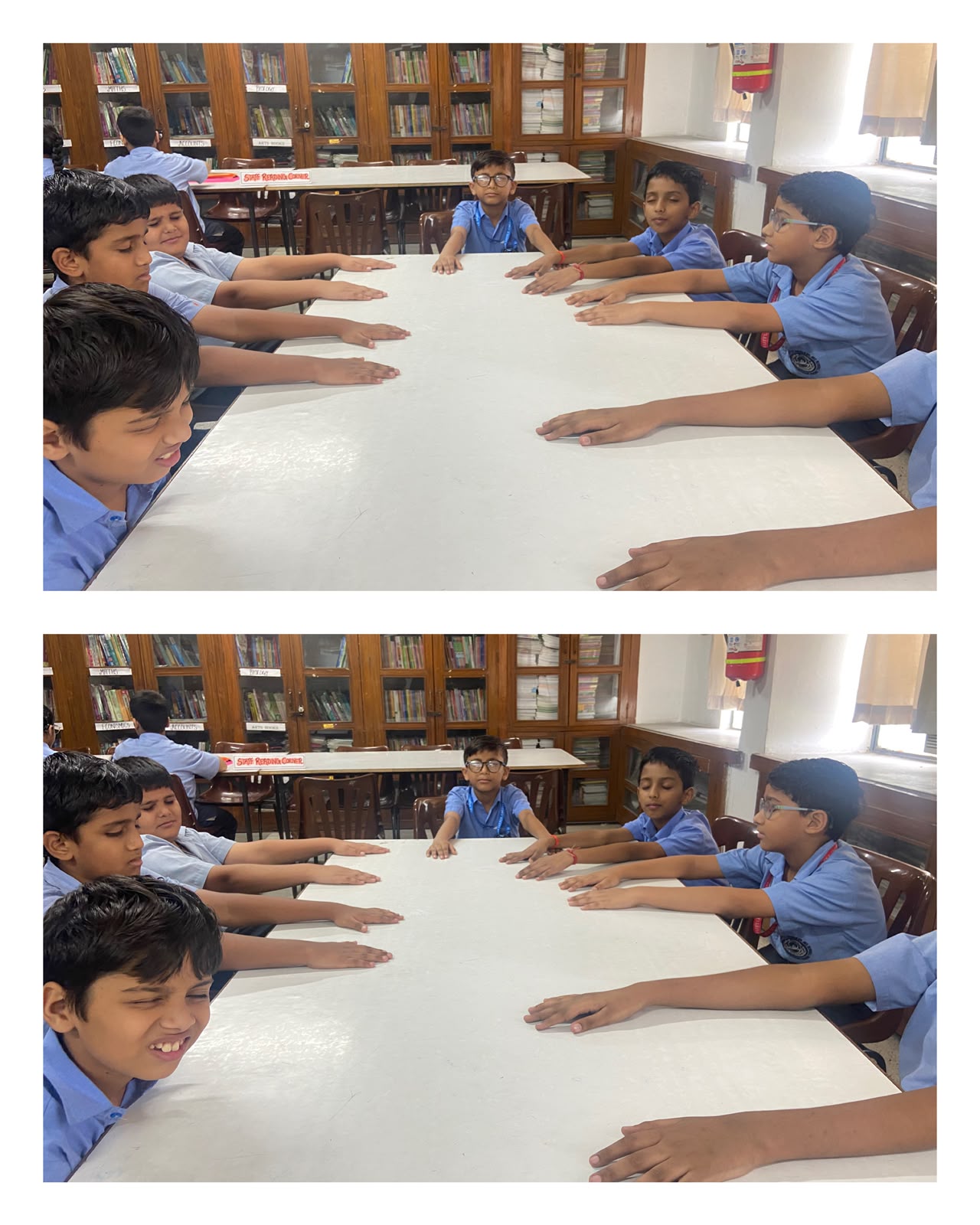
A peaceful and meaningful “Have Quiet Time” activity was organized on 19 August 2026 with the aim of promoting relaxation, mindfulness, concentration, and emotional well-being among students.
During the activity, students were encouraged to spend a few minutes in a calm and quiet environment, away from distractions. They were guided to sit comfortably, relax, focus on their breathing, and experience a moment of stillness.
The activity helped students develop self-awareness, patience, emotional regulation, and better concentration. It also provided them with an opportunity to pause from their regular routine and understand the importance of giving their mind some time to relax and recharge.
Students participated calmly and experienced the benefits of maintaining silence and focusing on themselves. The peaceful atmosphere helped create a sense of comfort, positivity, and inner calm.
Overall, “Have Quiet Time” was a simple yet enriching activity that encouraged students to develop healthy habits for mental well-being, mindfulness, focus, and emotional balance.
ART TOGETHER
“Art brings everyone together and gives every child a unique way to express themselves.”
DATE: 17.08.2026
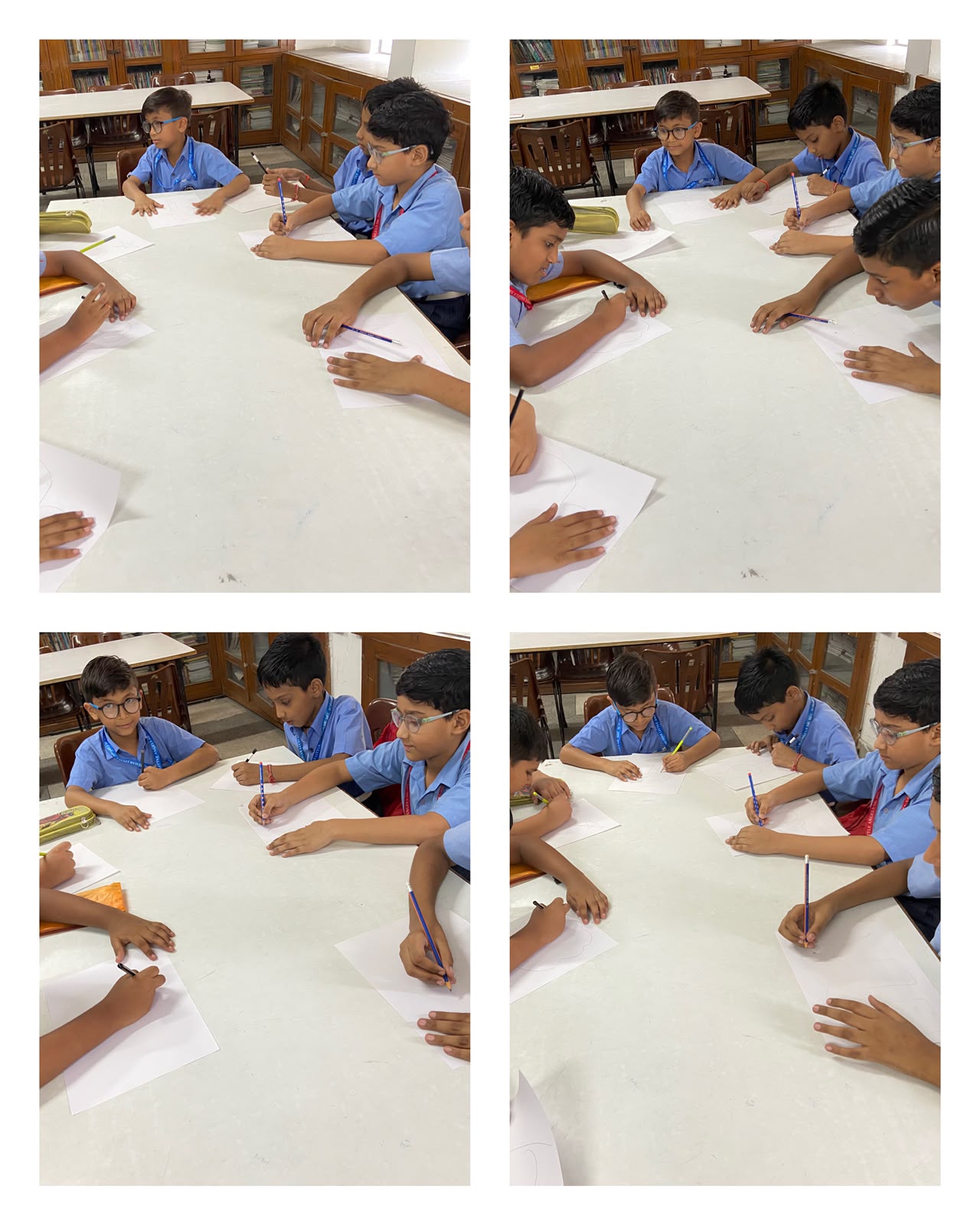
An engaging and inclusive “Art Together” activity was organized on 17 August 2026 with the aim of encouraging creativity, self-expression, participation, and togetherness among students.
During the activity, students enthusiastically participated in various art-based tasks and expressed their ideas through colors, drawings, and creative compositions. The activity provided them with an enjoyable platform to explore their imagination and showcase their individual talents.
The session also helped enhance fine motor skills, concentration, hand-eye coordination, confidence, and social interaction. Students were encouraged to work in a supportive environment, appreciate one another’s creations, and experience the joy of learning together.
The colorful artworks and enthusiastic participation of the students reflected their creativity and imagination. The activity created a cheerful atmosphere where every student had an opportunity to participate and express themselves freely.
Overall, “Art Together” was a joyful and meaningful experience that promoted creativity, inclusion, confidence, cooperation, and a sense of belonging among the students.
MENSTRUAL HYGIENE AWARENESS WORKSHOP
“Awareness empowers young minds to make healthy and confident choices.”
DATE: 07.08.2026
CLASSES: XI-XII
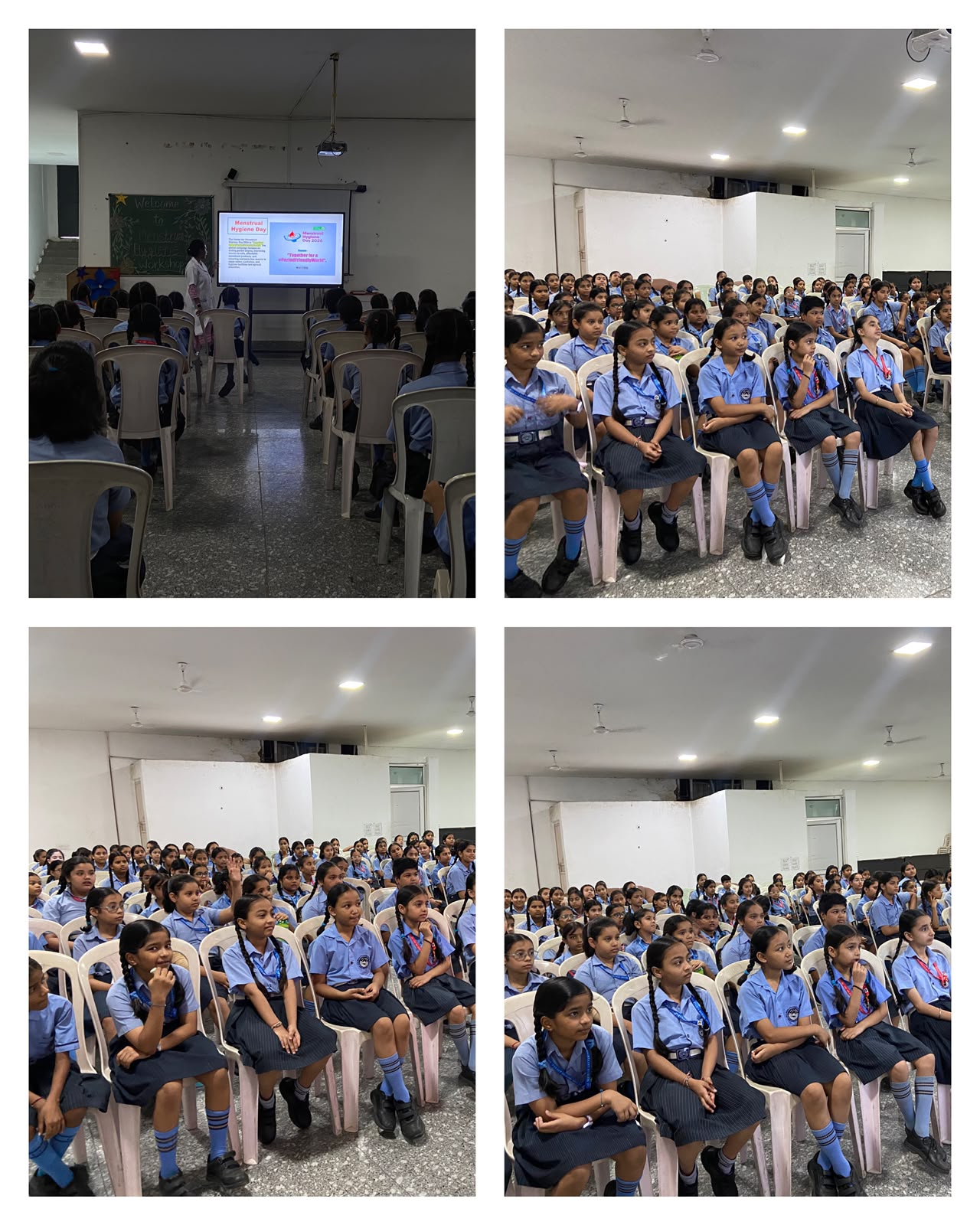
A Menstrual Hygiene Awareness Workshop was organized for the girl students of Classes XI-XII with the aim of creating awareness about menstrual health, personal hygiene, self-care, and overall well-being.
The session provided students with age-appropriate information about menstruation and helped them understand the importance of maintaining proper hygiene during their menstrual cycle. The workshop also addressed common myths and misconceptions and encouraged students to approach the topic with confidence and a positive mindset.
Students actively participated in the interactive session and were encouraged to express their concerns and ask questions in a safe and supportive environment. Important aspects such as personal cleanliness, proper use and disposal of sanitary products, healthy nutrition, and seeking support from trusted adults when needed were discussed.
The workshop helped students develop greater awareness, confidence, responsibility, and understanding of menstrual health. It also promoted the importance of maintaining dignity, hygiene, and healthy habits in everyday life.
Overall, the Menstrual Hygiene Awareness Workshop was an informative and meaningful initiative that empowered students with the knowledge required to make informed and healthy choices while promoting a supportive and inclusive school environment.
MENSTRUAL HYGIENE AWARENESS WORKSHOP
“Awareness empowers young minds to make healthy and confident choices.”
DATE: 06.08.2026
CLASSES: VIII – X
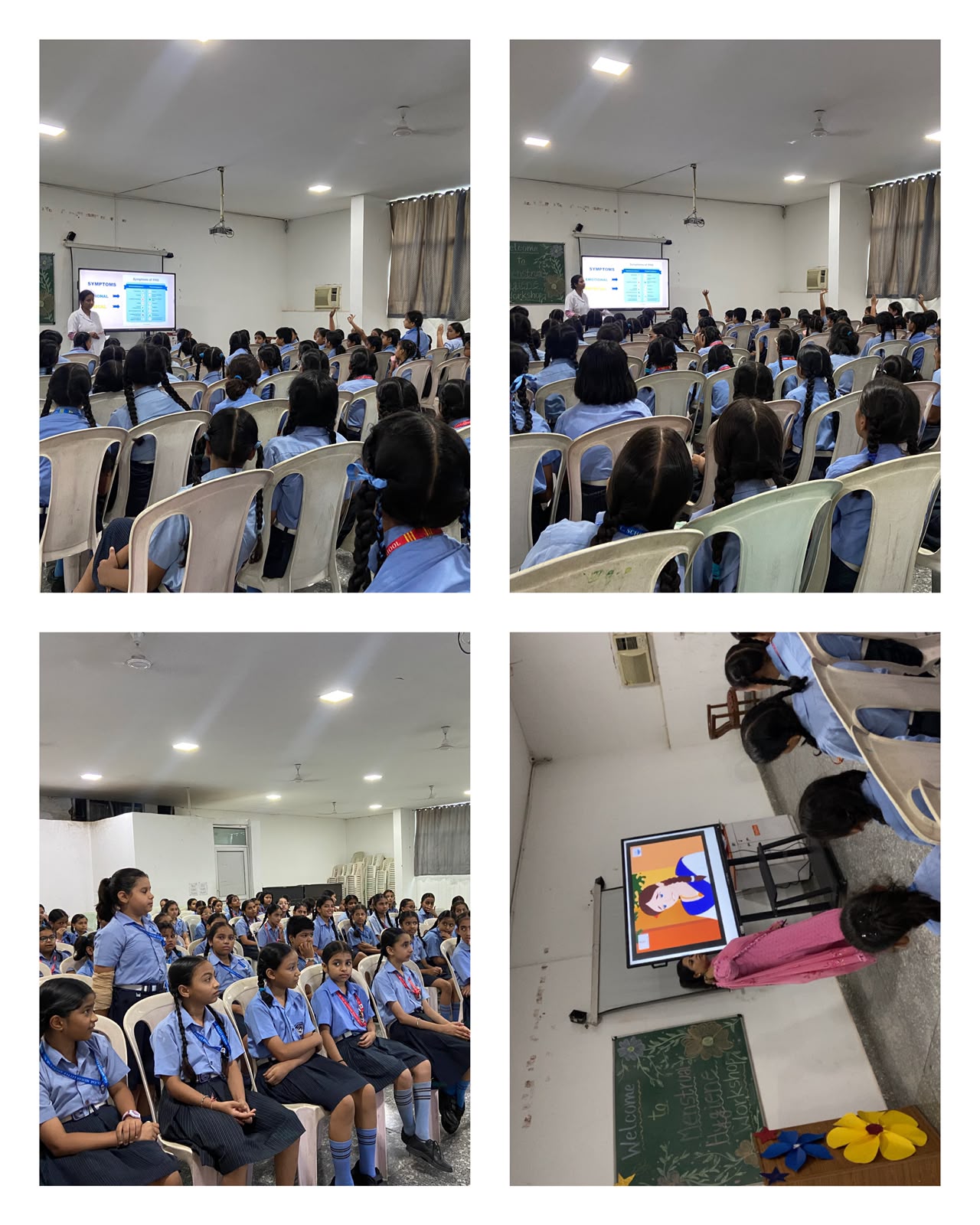
A Menstrual Hygiene Awareness Workshop was organized for the girl students of Classes VIII-X with the aim of creating awareness about menstrual health, personal hygiene, self-care, and overall well-being.
The session provided students with age-appropriate information about menstruation and helped them understand the importance of maintaining proper hygiene during their menstrual cycle. The workshop also addressed common myths and misconceptions and encouraged students to approach the topic with confidence and a positive mindset.
Students actively participated in the interactive session and were encouraged to express their concerns and ask questions in a safe and supportive environment. Important aspects such as personal cleanliness, proper use and disposal of sanitary products, healthy nutrition, and seeking support from trusted adults when needed were discussed.
The workshop helped students develop greater awareness, confidence, responsibility, and understanding of menstrual health. It also promoted the importance of maintaining dignity, hygiene, and healthy habits in everyday life.
Overall, the Menstrual Hygiene Awareness Workshop was an informative and meaningful initiative that empowered students with the knowledge required to make informed and healthy choices while promoting a supportive and inclusive school environment.
MENSTRUAL HYGIENE AWARENESS WORKSHOP
“Awareness empowers young minds to make healthy and confident choices.”
DATE: 04.08.2026
CLASSES: V-VII
A Menstrual Hygiene Awareness Workshop was organized for the girl students of Classes V-VII with the aim of creating awareness about menstrual health, personal hygiene, self-care, and overall well-being.
The session provided students with age-appropriate information about menstruation and helped them understand the importance of maintaining proper hygiene during their menstrual cycle. The workshop also addressed common myths and misconceptions and encouraged students to approach the topic with confidence and a positive mindset.
Students actively participated in the interactive session and were encouraged to express their concerns and ask questions in a safe and supportive environment. Important aspects such as personal cleanliness, proper use and disposal of sanitary products, healthy nutrition, and seeking support from trusted adults when needed were discussed.
The workshop helped students develop greater awareness, confidence, responsibility, and understanding of menstrual health. It also promoted the importance of maintaining dignity, hygiene, and healthy habits in everyday life.
Overall, the Menstrual Hygiene Awareness Workshop was an informative and meaningful initiative that empowered students with the knowledge required to make informed and healthy choices while promoting a supportive and inclusive school environment.
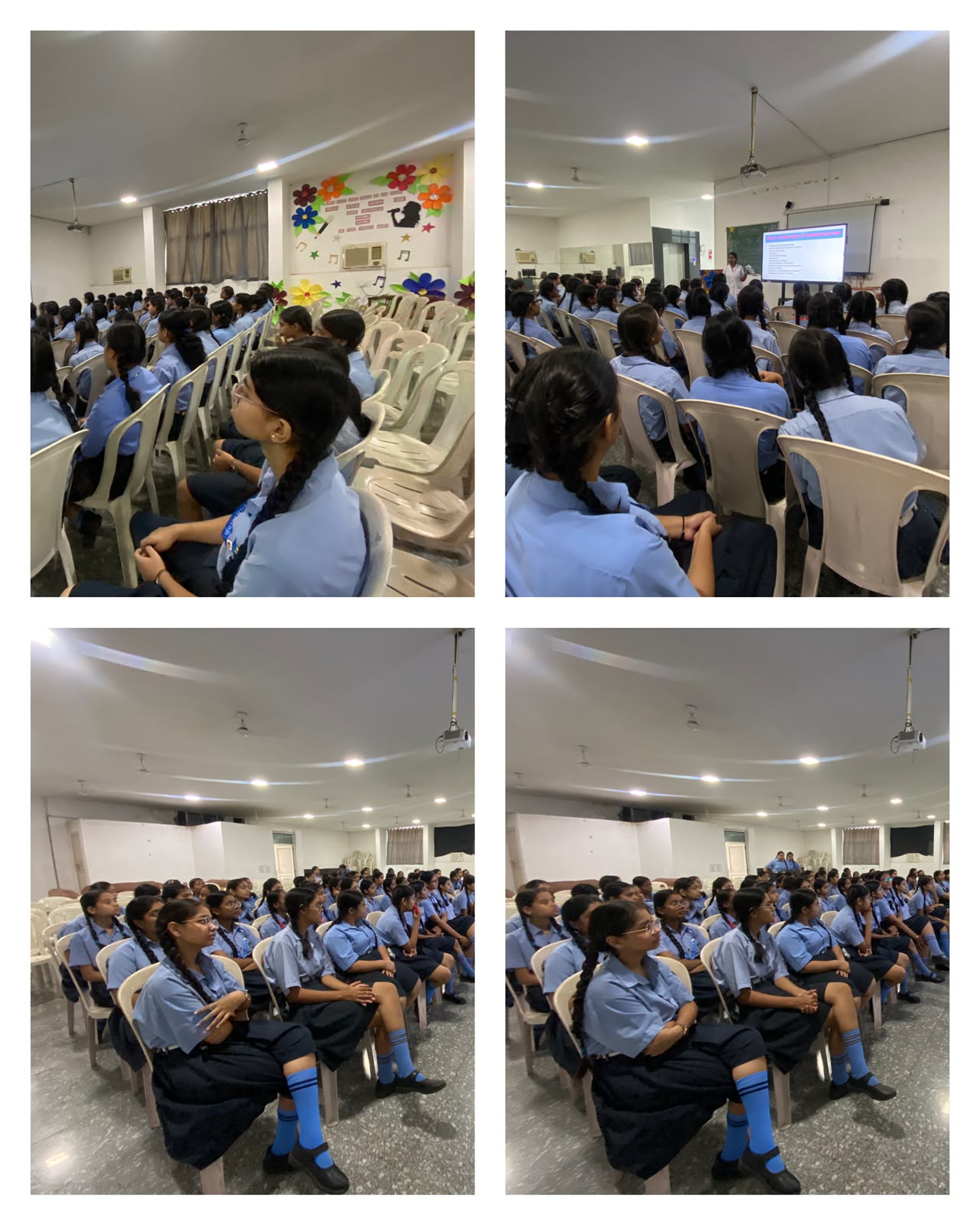
ROAD RAGE
DATE: 03.08.2026
CLASSES: I AND II
Road rage is a situation when a person becomes very angry or upset while travelling on the road. A person may get angry because of traffic, another vehicle moving slowly, or someone breaking a traffic rule. Sometimes, angry drivers may honk loudly, shout, use rude words, drive very fast, or try to overtake dangerously. Such behaviour can be very harmful and may lead to accidents. It can also frighten other drivers, passengers, cyclists, and people walking on the road. We should remember that roads are shared by everyone, so we must be patient and respectful towards others. Getting angry will not make the traffic move faster. Instead, it can make a small problem become a big and dangerous one.
There are many simple ways to prevent road rage. We should leave home on time so that we do not feel rushed or worried about being late. We should follow traffic lights, wear seat belts, and follow all road safety rules. Drivers should avoid unnecessary honking and should never drive after becoming very angry. If someone makes a mistake on the road, we should stay calm and not fight with them. We can take a deep breath, wait patiently, and continue our journey safely. Children can also learn good road manners by watching adults. They should remind their family members to be calm, follow rules, and be kind to other people on the road.
Road safety is everyone’s responsibility. A safe road is one where drivers, passengers, cyclists, and pedestrians respect one another. We should understand that reaching our destination safely is more important than reaching there quickly. By staying calm, being patient, and following traffic rules, we can help prevent road accidents and road rage. Let us all make a promise to be responsible and caring road users. Together, we can make our roads safer, friendlier, and happier places for everyone. Stay calm, follow the rules, and make every journey a safe journey!
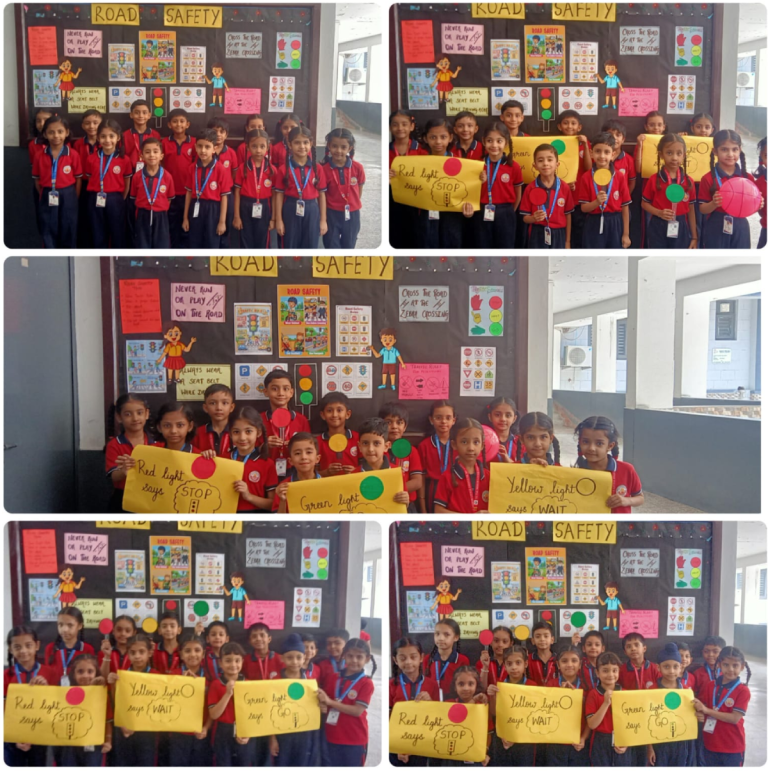
POCSO AWARENESS PROGRAMME FOR PARENTS
“Let every child grow in safety, dignity, and freedom.”
DATE: 31.07.2026
The school organised a POCSO Awareness Programme for Parents to create awareness about child safety and protection. The session helped parents understand the importance of safeguarding children from abuse, inappropriate behaviour, and exploitation. The key provisions of the Protection of Children from Sexual Offences (POCSO) Act were explained in simple and easy-to-understand language, enabling parents to become more aware of their responsibilities towards the safety and well-being of their children.
The programme focused on the importance of open and comfortable communication between parents and children. Parents were encouraged to listen to their children with patience, understand their concerns, teach them about safe and unsafe touch, and help them recognise situations that may make them uncomfortable or unsafe. The session also highlighted the importance of responding with care and support whenever a child shares a concern or difficult experience.
The programme was an informative and meaningful initiative that strengthened the partnership between the school and parents in creating a safe and secure environment for children. It encouraged parents to remain alert, supportive, and approachable, while promoting a culture of safety, trust, respect, and awareness. The school remains committed to conducting such initiatives to ensure that every child grows in a protected, caring, and positive environment.
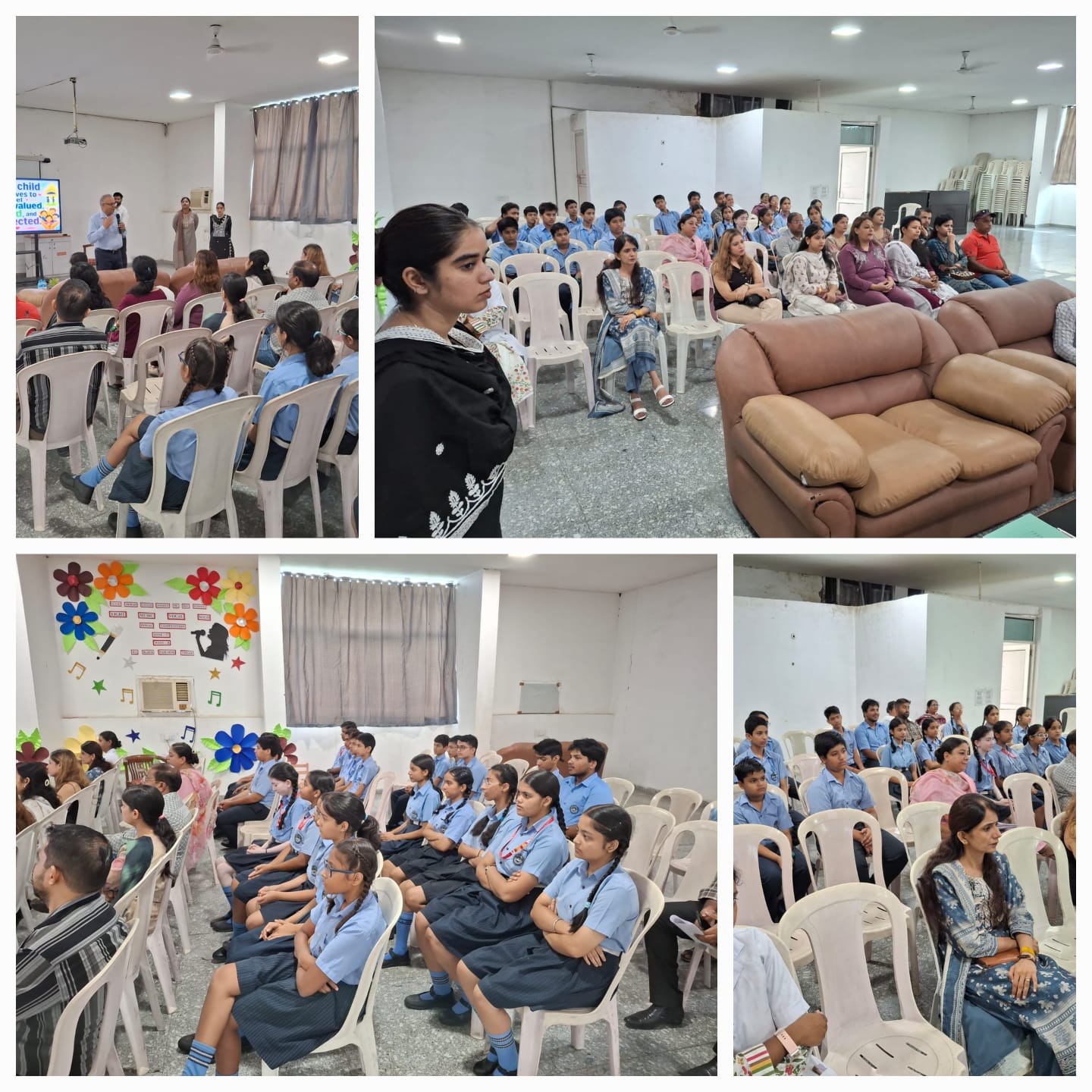
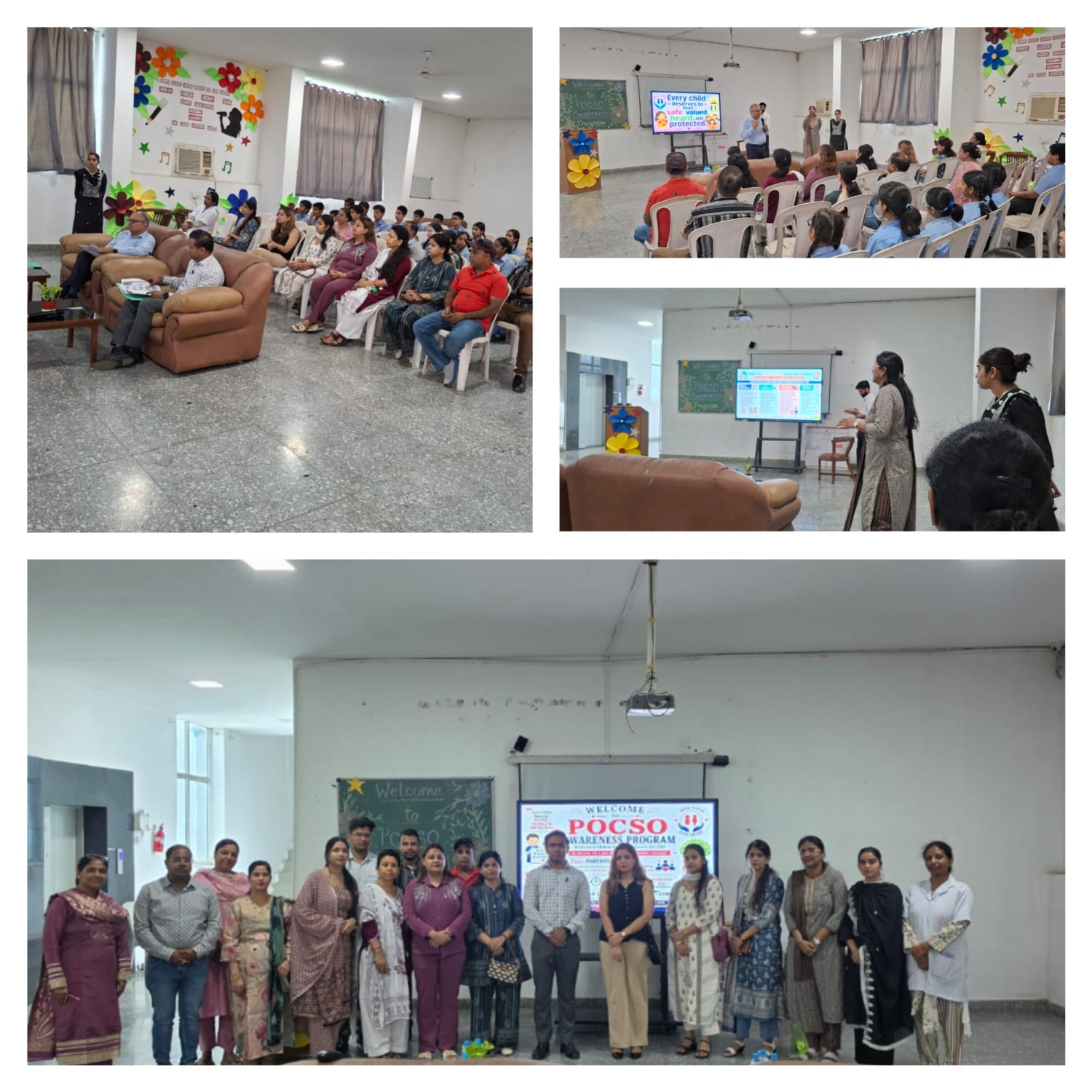
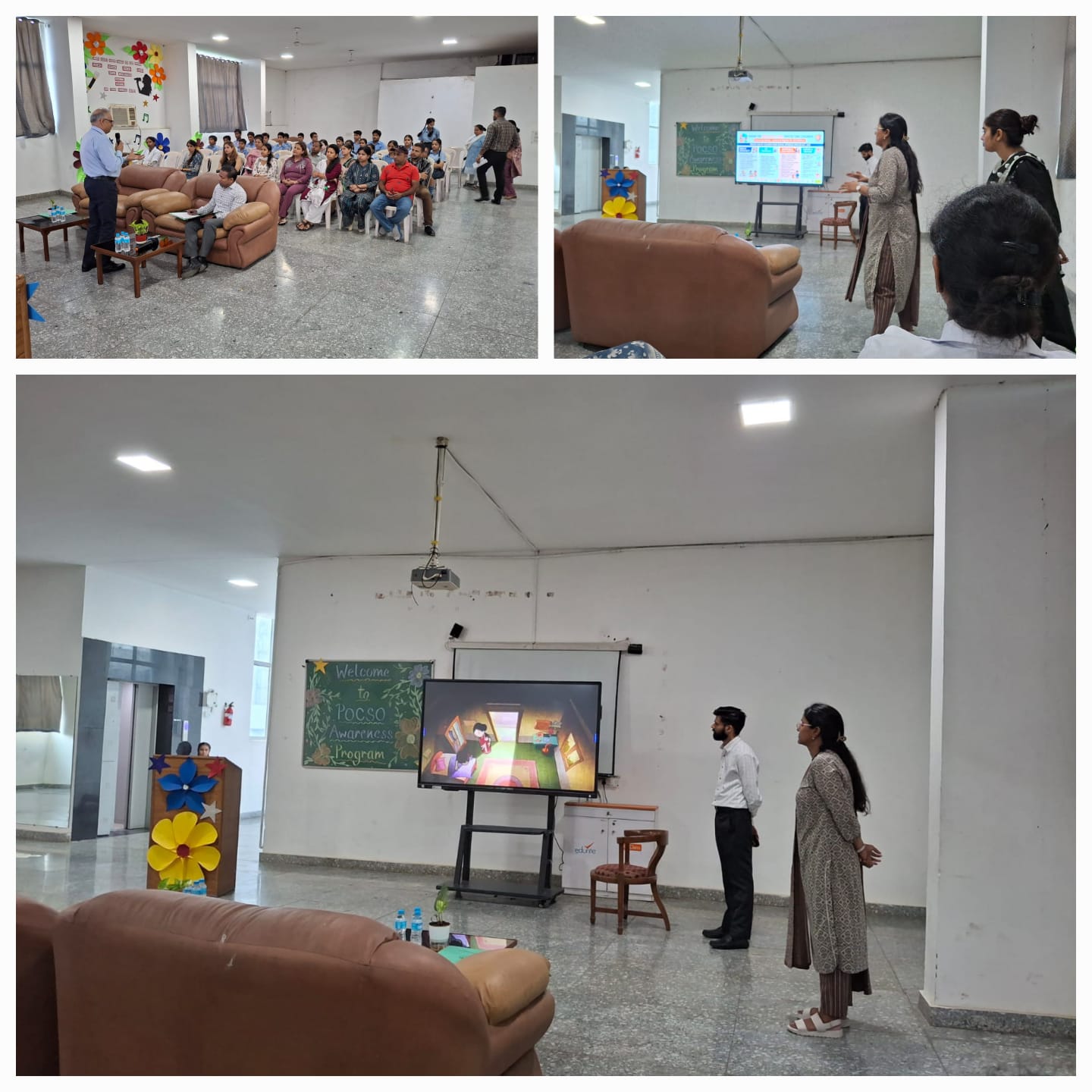
POCSO AWARENESS WORKSHOP - SUPPORT STAFF
“SPEAK UP, STAND UP, PROTECT THE CHILD.”
DATE: 29.07.2026
A POCSO (Protection of Children from Sexual Offences) awareness session was conducted for the support staff members on 29 July 2026. The session was organized with the objective of creating awareness among the staff about child safety, protection, and the provisions of the POCSO Act. The importance of maintaining a safe, secure, and child-friendly environment within the school premises was emphasized.
During the session, the staff members were sensitized about various forms of child abuse, appropriate and inappropriate behaviour, warning signs, and the importance of being vigilant while interacting with students. The session also highlighted the responsibilities of school staff in preventing and responding to situations involving child safety. The participants were encouraged to maintain professional boundaries, respect children’s dignity and privacy, and report any suspected incident through the appropriate channels.
The session was informative and interactive, providing the non-teaching staff with a better understanding of their role in ensuring the safety and well-being of children. The importance of collective responsibility, sensitivity, confidentiality, and prompt reporting was reiterated. The session concluded with a commitment from the staff members to contribute towards maintaining a safe and protective environment for all students.
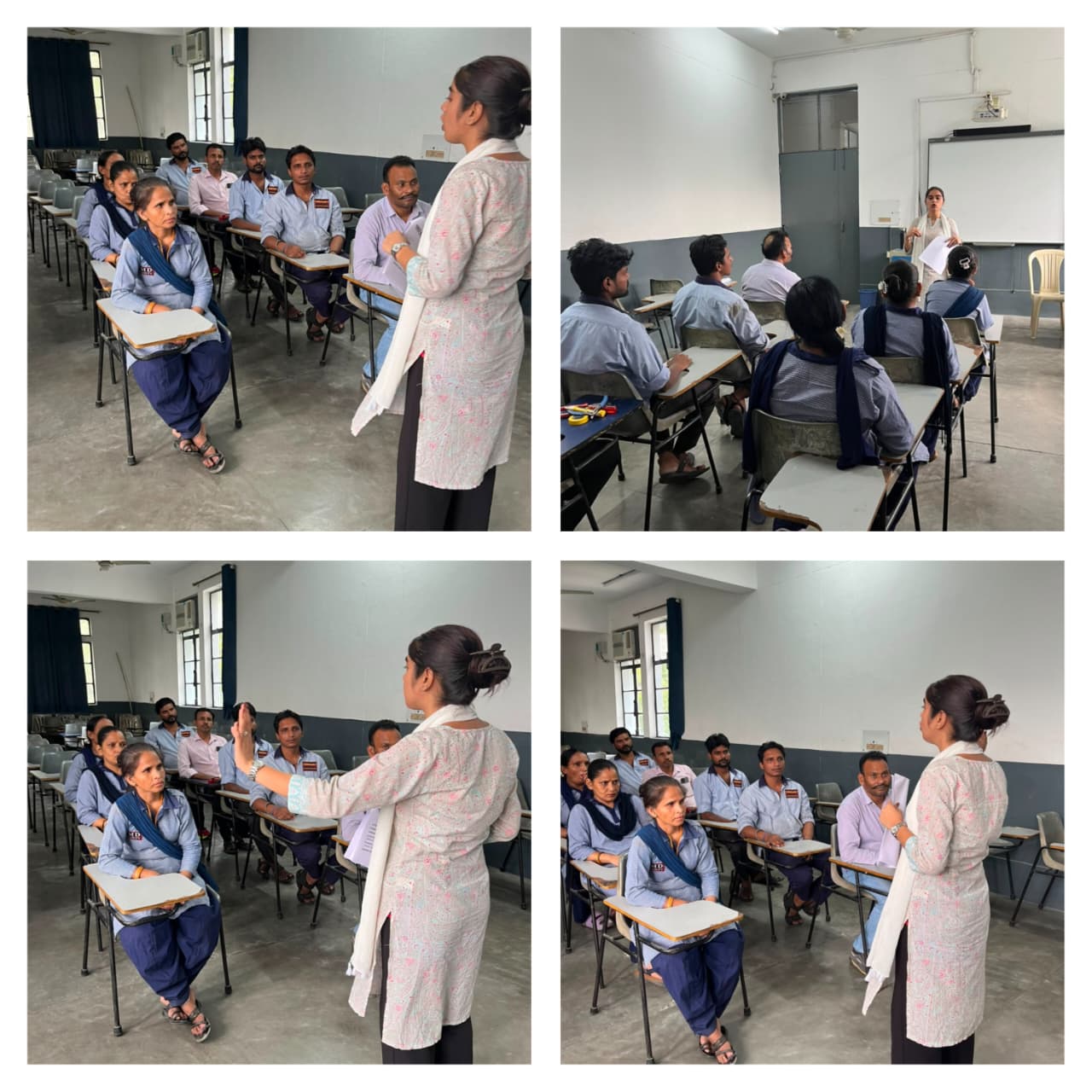
POCSO AWARENESS WORKSHOP
“Every child deserves to feel safe, respected, and protected.”
DATE: 29.07.2026
A workshop on the Protection of Children from Sexual Offences (POCSO) Act was conducted on 29 July 2026 for the teachers and staff members of the school. The workshop aimed to enhance awareness about child protection, safety, and the responsibilities of adults working with children. It emphasised the importance of creating a safe, secure, respectful, and child-friendly school environment.
The session sensitised participants to the key provisions of the POCSO Act, appropriate professional conduct, recognising signs of possible abuse, and responding to children’s concerns with sensitivity and care. Teachers and staff were also encouraged to remain vigilant, follow established child-protection procedures, and understand their role in safeguarding the dignity, privacy, and well-being of every child.
The workshop was informative and interactive, providing participants with an opportunity to discuss practical situations and strengthen their understanding of child-safety measures. It concluded with a renewed commitment from all teachers and staff members to uphold the principles of child protection and contribute towards maintaining a safe and supportive environment for every student.
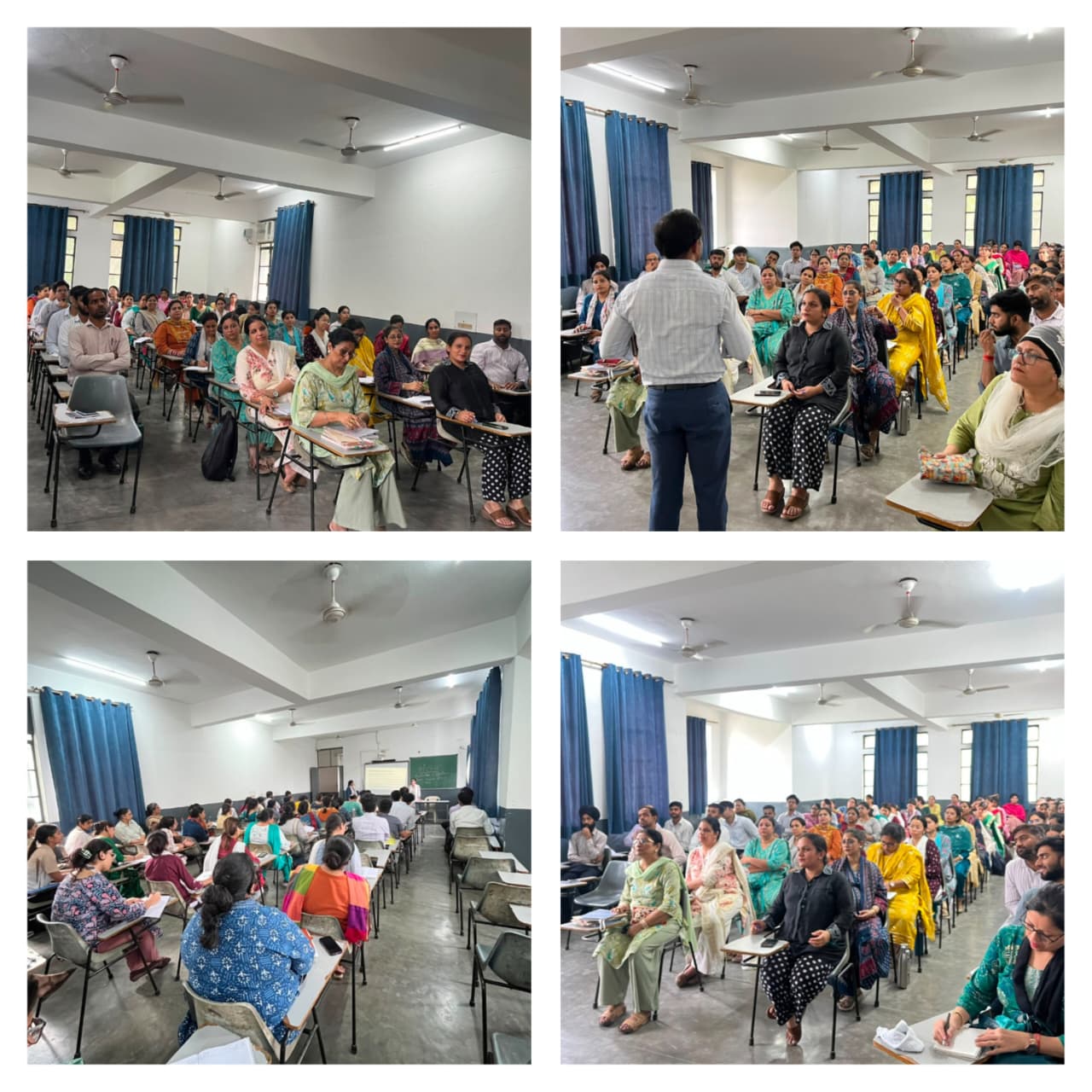
ANTI-BULLYING AWARENESS WORKSHOP
“Bullying leaves scars; kindness leaves memories.”
DATE: 24.07.2026
CLASS: V-B
An Anti-Bullying Awareness Workshop was conducted for the students of Class 5B to create awareness about bullying and its harmful effects. Students were introduced to different forms of bullying such as physical bullying, verbal bullying, teasing, social exclusion and cyber bullying. They were also helped to understand the difference between friendly behaviour and actions that may hurt or repeatedly upset another child.
During the session, students discussed how bullying can affect a child’s confidence, friendships, studies and overall well-being. They were encouraged to treat everyone with kindness and respect, avoid supporting or laughing at bullying, stand up safely for others and seek help from teachers, parents, counsellors or other trusted adults whenever needed.
The students participated actively and shared their ideas about creating a safe and friendly classroom environment. The workshop reinforced the values of kindness, empathy, respect and inclusion and helped students understand that preventing bullying is a shared responsibility and that every child deserves to feel safe, respected and valued at school.
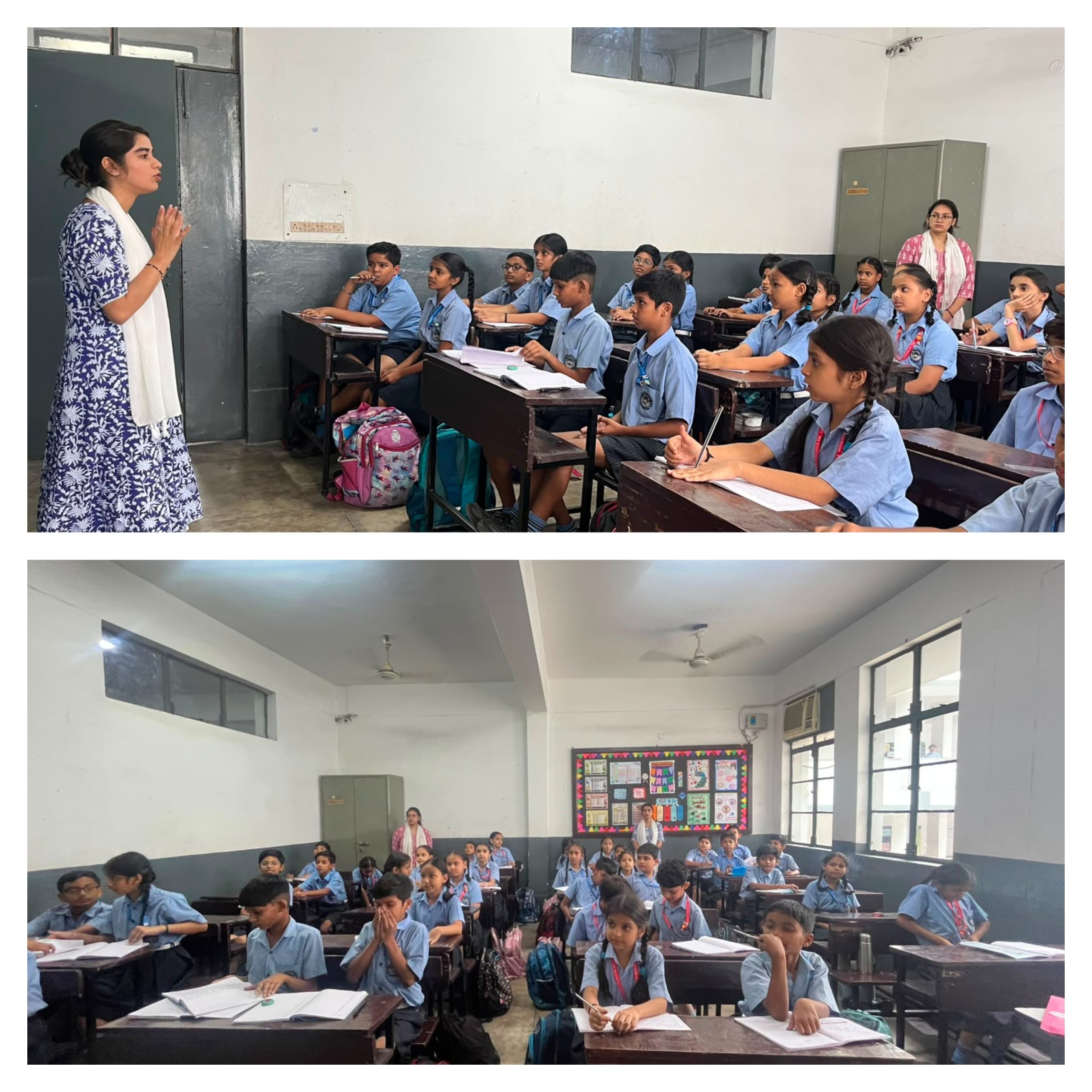
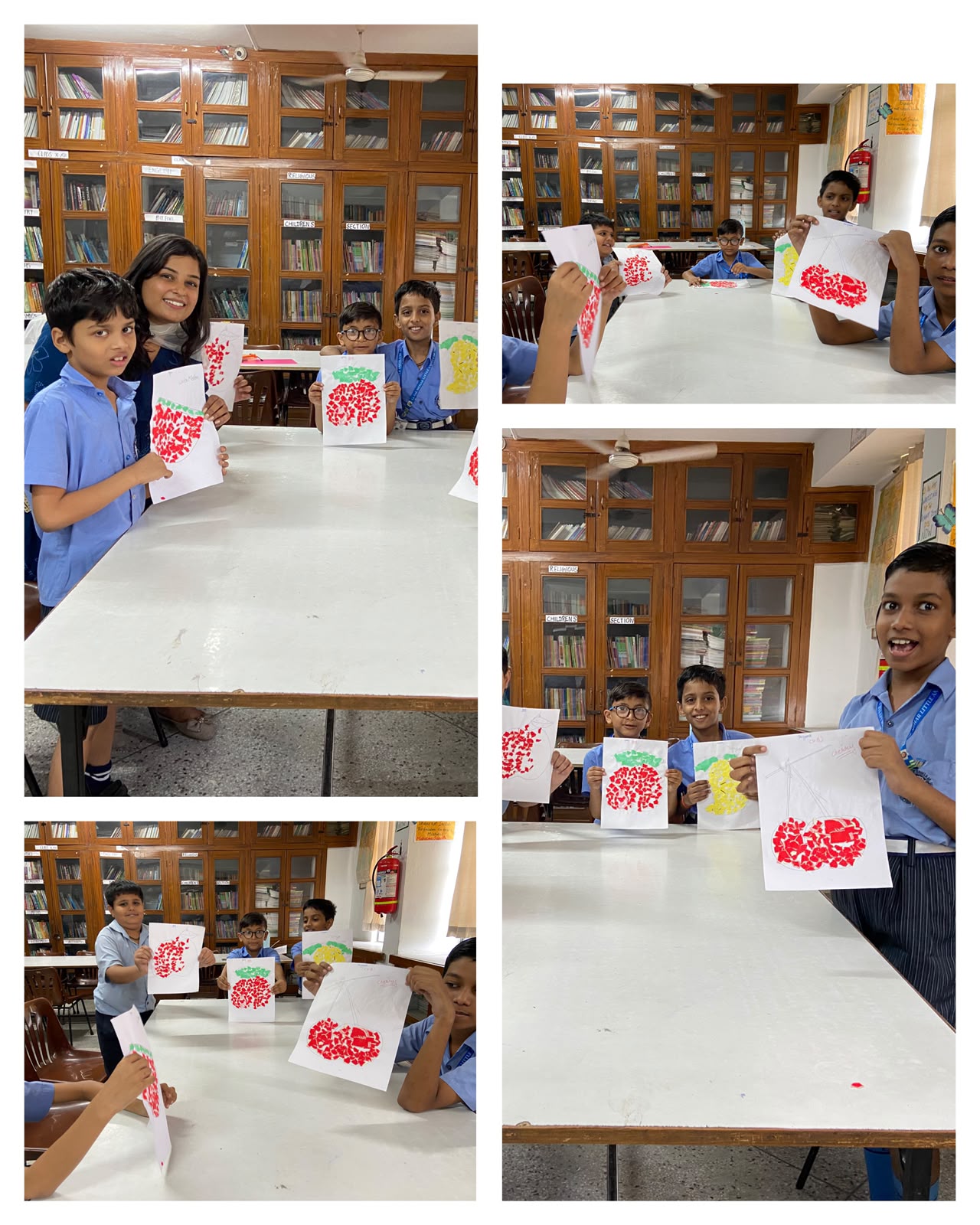
CUT AND PASTE ACTIVITY FOR CWSN
“Learning becomes joyful when little hands create something of their own.”
DATE: 18.07.2026
A Cut and Paste Activity was conducted for Children with Special Needs (CWSN) with the aim of providing an enjoyable hands-on learning experience while enhancing their fine motor skills, hand-eye coordination, concentration, and creativity.
During the activity, students enthusiastically participated in cutting different shapes and pictures and pasting them in the appropriate places. The tasks were planned keeping in mind the individual abilities and learning needs of each child, enabling every student to participate comfortably and confidently.
The activity helped students strengthen their grip, finger movement, visual perception, attention span, and coordination skills. It also encouraged them to follow simple instructions, make choices, work independently, and express their creativity.
The learning space was filled with excitement as students explored different shapes, colours, and pictures through a fun and meaningful activity. Their active participation and enthusiasm reflected the joy of learning through practical experiences.
Overall, the Cut and Paste Activity was an engaging and enriching experience that promoted creativity, independence, confidence, and skill development among CWSN while making learning interactive and enjoyable.
MENTAL HEALTH WORKSHOP
“Take a pause, breathe deeply, and give your self time to heal.”
DATE: 06.02.2026
CLASSES IX–XII
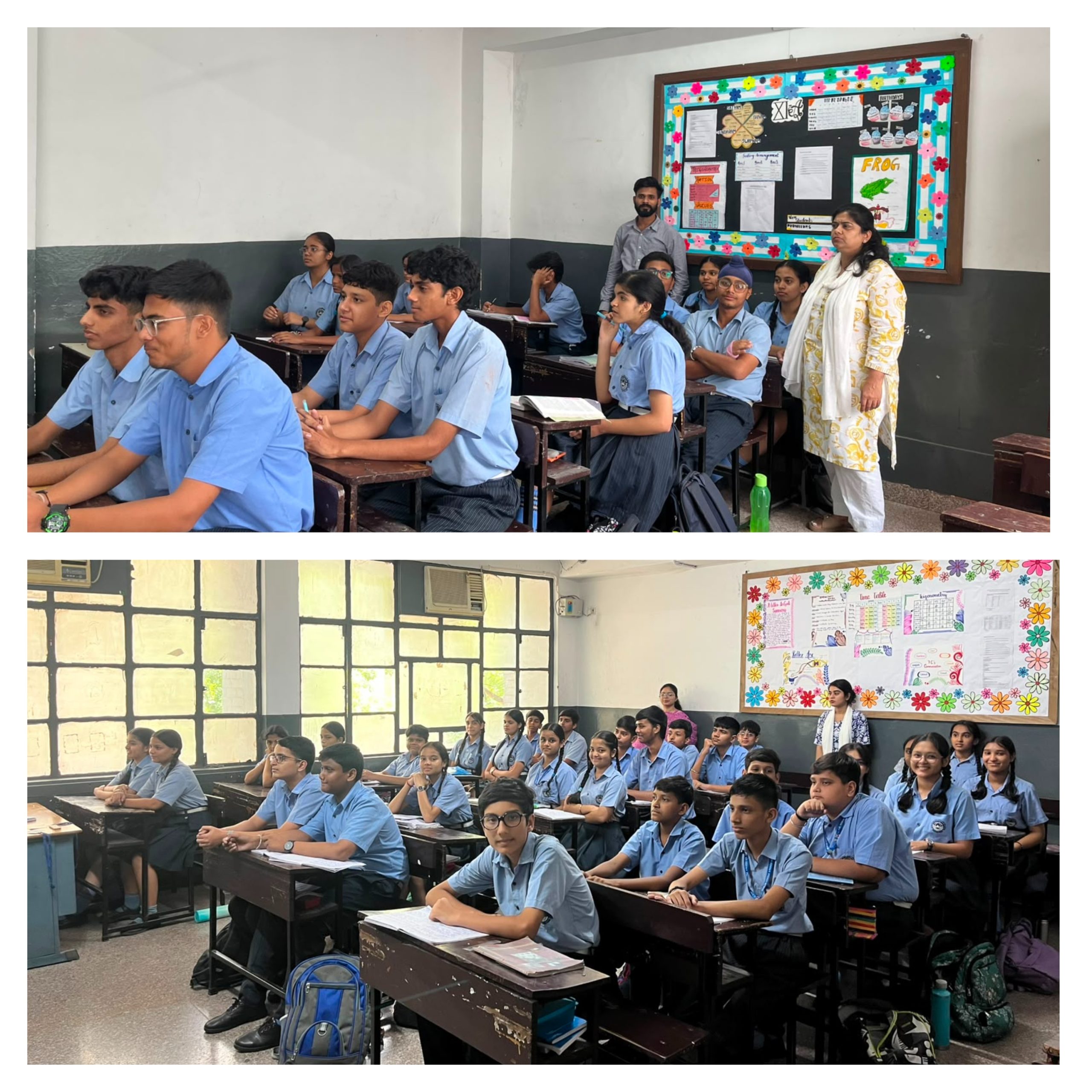
The school organised a Mental Health Workshop for students of Classes IX to XII on 6 February 2026, in alignment with the CBSE Annual Mental Health Programme. The session focused on promoting awareness about mental health and addressing challenges commonly faced by adolescents, including academic pressure, examination stress, career concerns, anxiety, and personal well-being. The workshop was conducted by a qualified psychologist/counsellor and provided students with a safe and supportive environment for meaningful interaction.
The interactive session covered stress and anxiety management, career guidance, emotional resilience, and healthy coping strategies. Students were introduced to practical techniques such as deep breathing, time management, prioritisation, positive thinking, and realistic goal-setting. They were also encouraged to share their concerns openly and understand the importance of seeking timely support from teachers, parents, and counsellors whenever needed.
The workshop witnessed active and enthusiastic participation from students, who were attentive, reflective, and receptive throughout the session. By the end of the programme, students developed a better understanding of the importance of mental well-being, learned effective ways to manage stress, and gained confidence in approaching academic and personal challenges. The programme was a meaningful step towards nurturing emotionally resilient students and reaffirmed the school’s commitment to the holistic development and overall well-being of every learner.
ANTI-BULLYING AWARENESS WORKSHOP
“Stand together, stand against bullying.”
DATE: 28.01.2026
CLASSES: IX TO XII
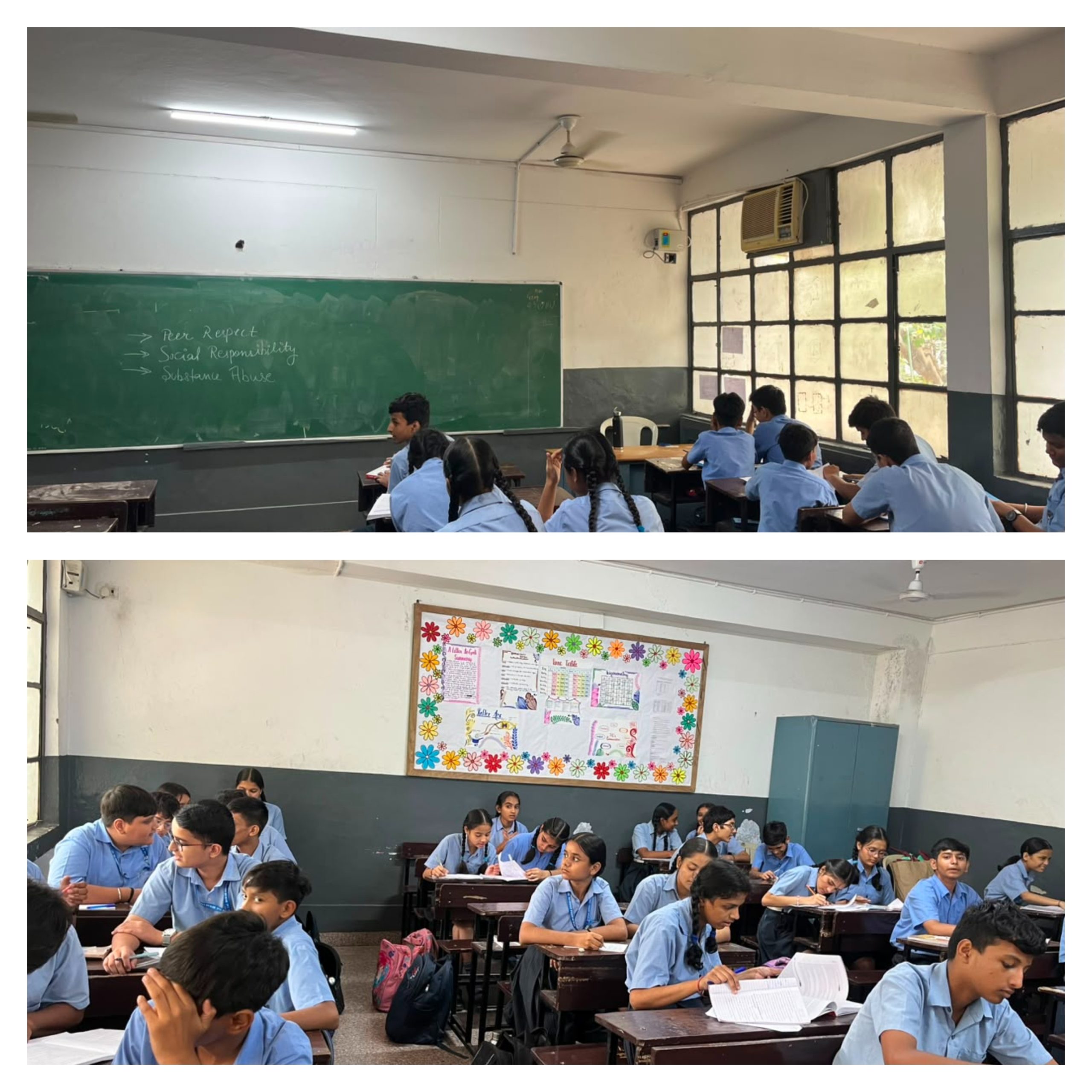
An Anti-Bullying Awareness Workshop was organised for students of Classes IX to XII to promote a safe, respectful and inclusive school environment. The session focused on creating awareness about different forms of bullying, including verbal, social, physical, psychological and cyber bullying, along with the impact such behaviour can have on students’ emotional well-being and academic life.
During the workshop, students were guided about respectful communication, personal boundaries, consent, responsible digital behaviour and the influence of peer pressure. Through discussions, case studies and self-reflection activities, they were encouraged to understand how their words and actions can affect others and how they can respond appropriately when they witness bullying or harmful behaviour.
The workshop concluded by encouraging students to practise empathy, kindness and responsible behaviour in school as well as online. Students were also guided to approach teachers, the EVGC Counsellor, senior teachers, the Head of School or parents whenever they need support. The session helped strengthen awareness, responsibility and the importance of maintaining dignity, safety and mutual respect within the school community.
MENTAL HEALTH WORKSHOP
“It’s okay not to be okay; what matters is reaching out for help.”
DATE: 31.12.2025
CLASSES: III TO V
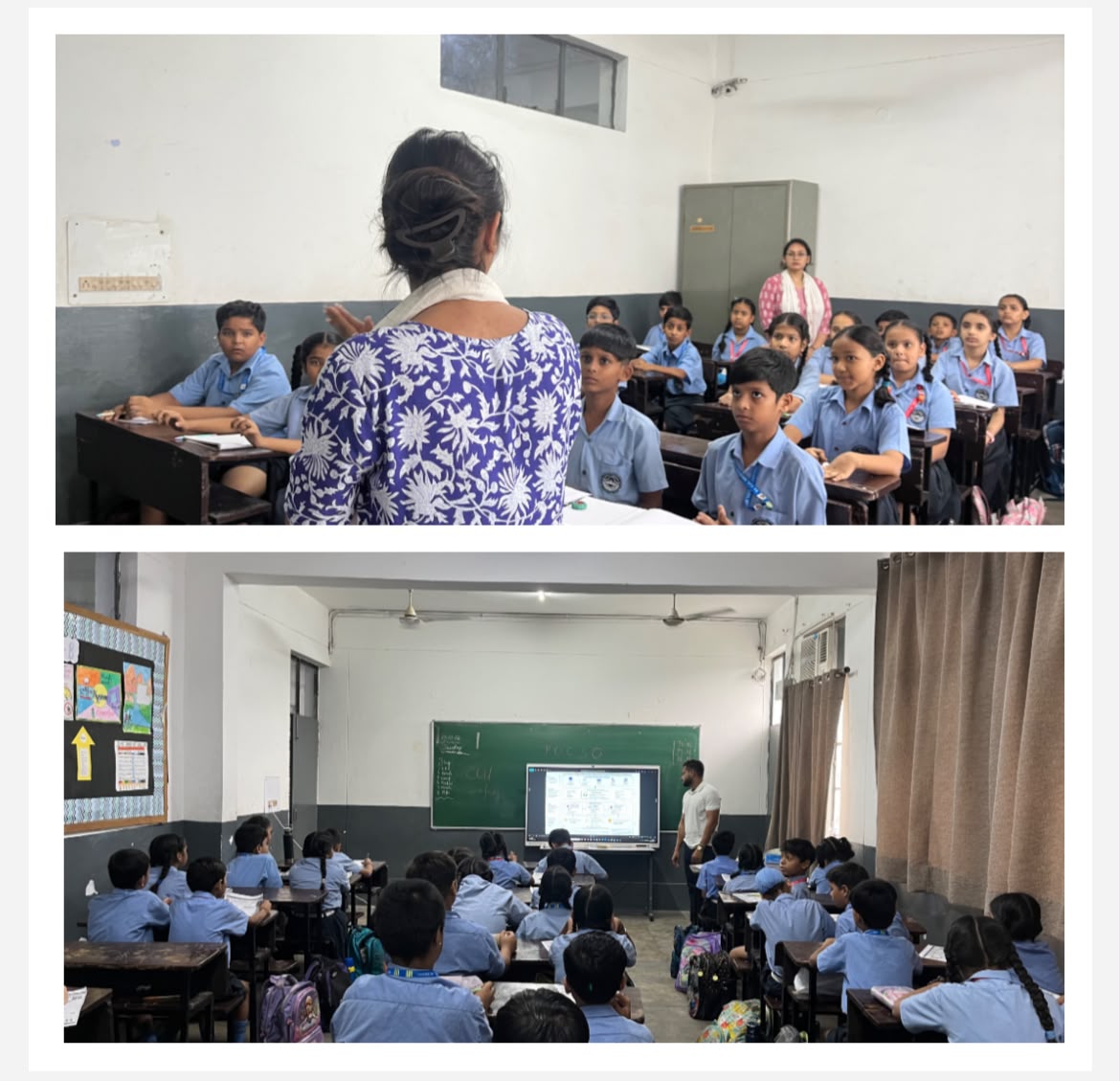
As part of the CBSE Annual Mental Health Programme, the school organised a Mental Health Workshop for students of Classes III to V on 31 December 2025 at the School Activity Hall. Conducted by a qualified mental health professional/counsellor, the two-hour session focused on promoting emotional well-being and helping young learners understand and manage their emotions. Through ice-breaking activities, storytelling, visual aids, drawing, role-play, and sharing of personal experiences, students explored emotions such as happiness, sadness, anger, and fear. The workshop also emphasised the importance of self-confidence, positive self-image, kindness, empathy, and healthy friendships.
The students participated enthusiastically and created a warm, supportive environment where they felt comfortable expressing themselves. They were introduced to simple coping strategies such as deep breathing, talking to trusted adults, and engaging in hobbies to manage stress and anxiety. By the end of the session, students were able to identify and express their emotions more confidently, understand the value of kindness and empathy, and recognise the importance of seeking help from teachers and parents. The workshop was well received by both students and teachers and served as a meaningful step towards nurturing emotional intelligence, resilience, positive mental health, and the holistic development of our young learners.
MENTAL HEALTH WORKSHOP
“A healthy mind is the foundation of a happy and successful life.”
DATE: 22.12.2025
CLASSES VI TO VIII
A Mental Health Workshop for students of Classes VI to VIII was conducted on 22 December 2025 in the School Activity Hall as part of the CBSE Annual Mental Health Programme. The two-hour session focused on promoting mental health and emotional well-being among students and equipping them with practical strategies to manage academic expectations, peer pressure, and social challenges.
The workshop featured engaging and interactive activities, including ice-breakers, discussions on mental health, strategies for managing peer pressure and academic stress, mindfulness and relaxation exercises, and guidance on responsible digital usage. Students actively participated in group discussions, shared their experiences, and learned simple techniques such as time management, goal setting, breathing exercises, and maintaining a healthy balance between digital and offline activities.
The workshop received an enthusiastically positive response from both students and teachers. Students found the session informative, relatable, and helpful, while teachers appreciated its practical approach and relevance to students’ needs. The programme successfully enhanced students’ awareness of emotional well-being and provided them with valuable tools to manage stress and make informed choices, reinforcing the school’s commitment to fostering a supportive, healthy, and positive learning environment.
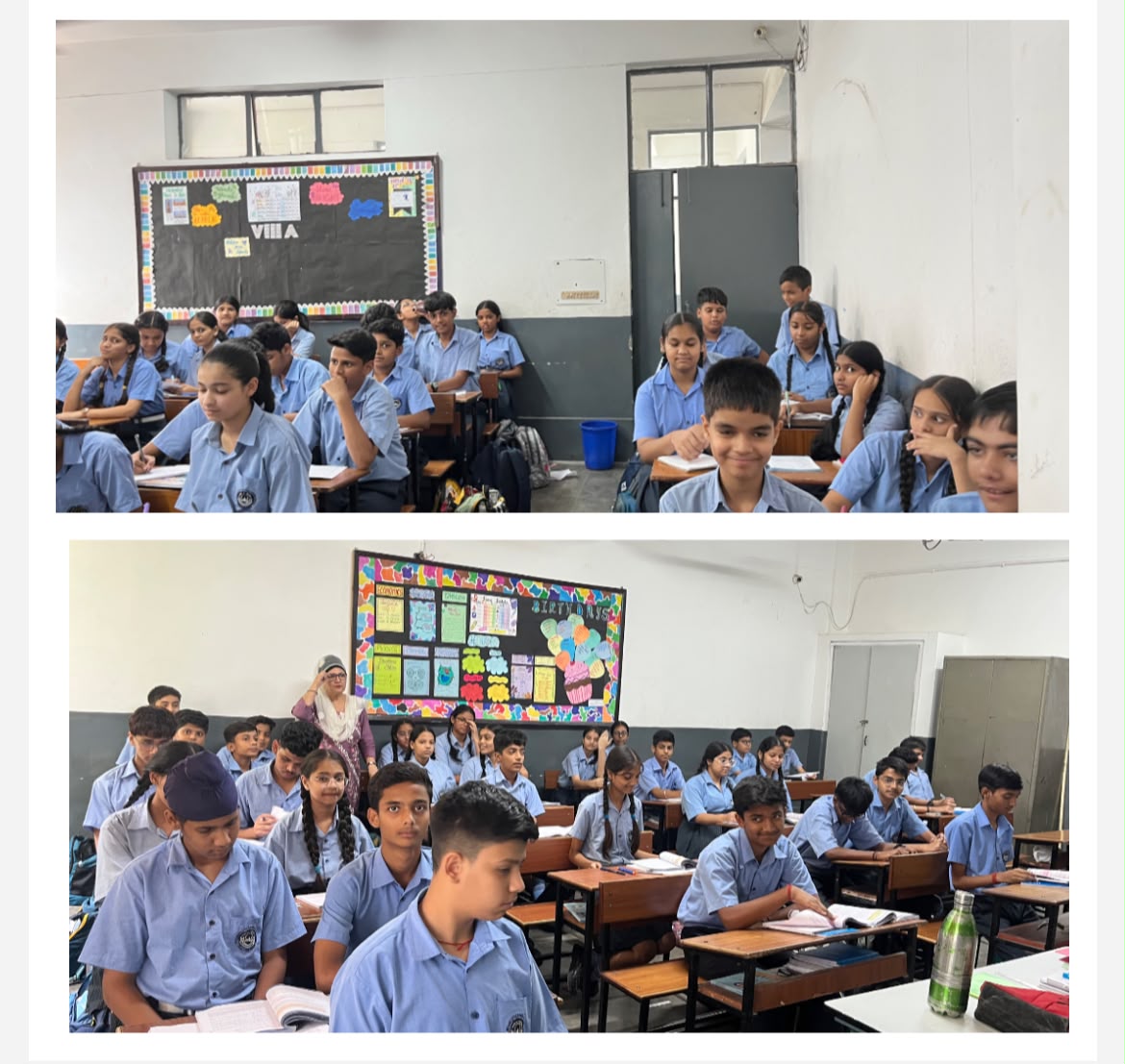
ANTI-BULLYING AWARENESS WORKSHOP
Respect, Responsibility & Prevention
DATE:14.11.2025
CLASSES: IX TO XII
Conducted by: Ms. Ojasvi Saini, EVGC Counsellor
An Anti-Bullying Awareness Workshop was organised for the students of Classes IX to XII with the aim of promoting a safe, respectful and inclusive school environment. The session focused on helping students understand different forms of bullying, including verbal, social, physical, psychological and cyber bullying.
Through interactive discussions, real-life situations, case studies and self-reflection activities, students explored important topics such as peer pressure, responsible online behaviour, consent, personal boundaries, empathy and respectful communication. They were also guided on how to respond appropriately to bullying, support their peers and report concerns to trusted adults and school authorities.
Special emphasis was placed on the role of bystanders and student leaders in creating a positive school culture. Students participated actively in discussions and reflected upon how words, jokes and actions can affect others.
The workshop concluded with a strong message of kindness, dignity, mutual respect and responsible behaviour. Students were encouraged to become responsible digital citizens and contribute actively towards making the school a safer and more supportive space for everyone.